
What’s the Real ROI of Commercial Interior Design
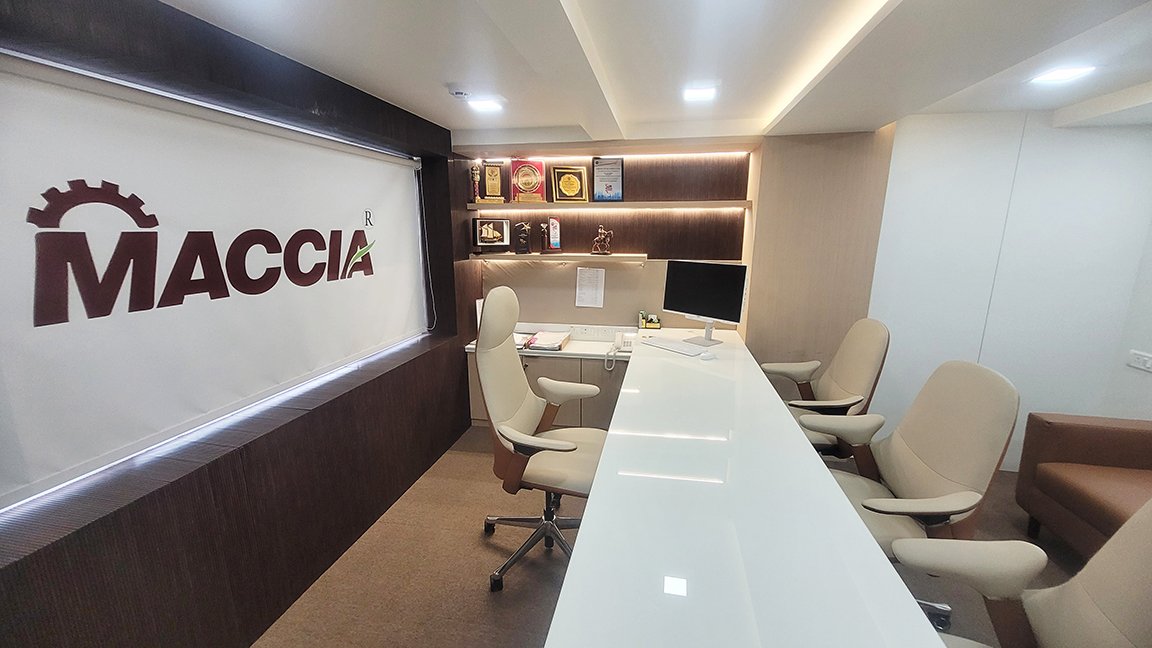
When people think about commercial interior design, the first thing that comes to mind is usually aesthetics—beautiful spaces, modern furniture, and appealing layouts. But the real return on investment (ROI) goes far deeper than visual appeal. A well-designed commercial space directly influences how people feel, behave, and perform within it. Whether it’s an office, retail store, or hospitality environment, design plays a strategic role in shaping productivity, customer engagement, and brand perception. It’s not just about making a space look good; it’s about making it work better.
Brand Identity That Speaks Without Words
Commercial interiors act as a physical representation of your brand. Every color, texture, and layout choice communicates something about your business. A well-designed space reinforces your brand identity and builds trust with clients and customers. When visitors walk into a space that feels cohesive and intentional, it leaves a lasting impression. This emotional connection can directly influence purchasing decisions, client retention, and overall brand loyalty.
Space Optimization Reduces Operational Costs
Efficient use of space is another major contributor to ROI. Smart interior design ensures that every square foot serves a purpose. This can reduce the need for larger real estate, lower rental costs, and improve workflow efficiency. In offices, better space planning can accommodate more employees without overcrowding, while in retail, it can enhance product visibility and accessibility. Optimized spaces also reduce energy consumption when paired with smart lighting and ventilation strategies.
A well-designed workplace is a powerful tool for attracting and retaining talent. Employees today value environments that support well-being, collaboration, and flexibility. Natural light, biophilic elements, and comfortable breakout areas contribute to a positive work culture. When employees feel valued and comfortable in their workspace, job satisfaction increases, and turnover rates decrease. Considering the high cost of hiring and training new employees, this aspect alone can deliver substantial long-term returns.
Workplace Efficiency That Impacts Business Performance
In commercial environments, efficiency is everything. Interior design directly affects how smoothly daily operations run, whether it’s an office, retail outlet, or corporate facility. Thoughtful zoning, clear circulation paths, and functional layouts reduce time wastage and unnecessary movement. When teams can collaborate easily and access what they need without friction, overall business performance improves. This operational clarity often results in faster decision-making and better output, which ultimately reflects in profitability.
Commercial interiors are often the first physical touchpoint for clients and stakeholders. A well-designed reception area, meeting room, or showroom sets the tone for business interactions. These spaces communicate reliability and professionalism without saying a word. When clients feel confident in your environment, it strengthens trust and increases the likelihood of successful partnerships, negotiations, and long-term contracts.
Every business operates within a competitive landscape, and interior design helps position it correctly within that market. A corporate office may require a sleek and professional tone, while a creative agency might benefit from a more dynamic and expressive environment. Aligning the design with industry expectations ensures that the business is perceived at the right level—whether premium, innovative, or accessible—helping attract the right audience and opportunities.
Commercial spaces often rely on collaboration, whether internal team discussions or client presentations. Well-designed meeting rooms with the right balance of privacy, acoustics, and technology create an environment where ideas flow more freely. Comfortable and functional spaces encourage meaningful conversations, leading to better outcomes, faster approvals, and stronger business relationships.